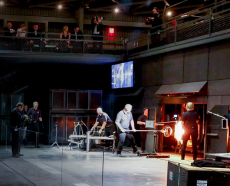
The Charm of Whimseys: Glass Made from Pride and Affection
Mar 26, 2026
Issue 3782
Collectors are often drawn to grand vases, luminous art glass, and museum masterpieces—but sometimes the smallest objects carry the most personal stories. Such is the case with whimseys.
Interest in whimseys has been rekindled recently with the January auction of selections from the estate of Bill Mehlenbacher. Among the treasures from his remarkable glass collection were several delightful examples of stocking darners, cigarette and cigar holders.
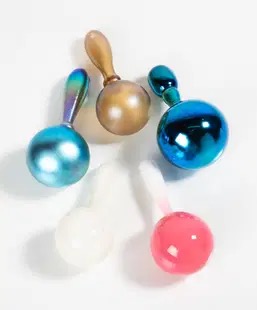
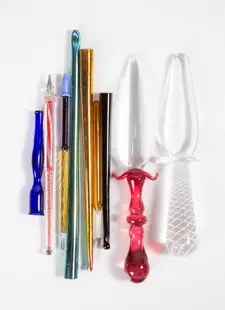
In 2005, Tom Dimitroff organized a memorable exhibition devoted entirely to whimseys at the Corning Museum of Glass. In addition to Tom and Peetie Dimitroff, contributors included Bill Mehlenbacher, Lon and Deb Knickerbocker, Ruth deLorraine, Dick Bright and Kyle Goodman, and Harry Lindbloom—collectors whose enthusiasm helped bring these intimate objects into the spotlight.
The exhibition, announced in the Star-Gazette under the title “Glass After Hours,” marked the first time such a collection of whimseys had been publicly displayed in Corning. It was located in the former Frederick Carder Gallery adjacent to the Museum’s Hot Glass Studio, the exhibit highlighted objects that had once lived quietly in drawers, desks, and family cabinets.
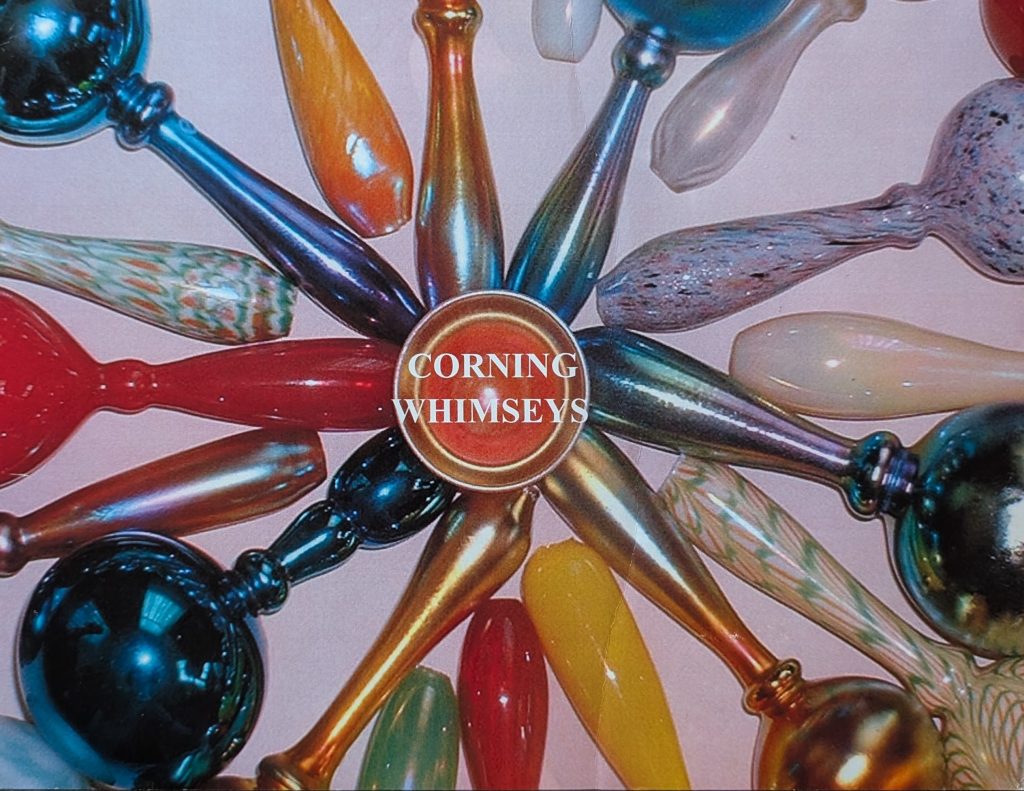
Dimitroff defined whimseys as objects made by skilled glassmakers that were not part of regular production or commercial lines. Instead, they were created during lunch breaks, after shifts, or on days off, crafted for personal satisfaction or as gifts for family and friends. Always handmade, whimseys served as demonstrations of skill and affection. They were born of pride rather than economics, and often from love rather than obligation.
The range of forms is astonishing: Stocking darners, canes, paperweights, funnels, pens, knives, letter openers, baskets, pipes, ashtrays, and more. Some designs eventually evolved into souvenir items, but the true essence of whimsey lies in its originality and intent. They are one-of-a-kind creations, and a significant number were made by Corning-area glassmakers.
Canes were especially popular. Once completed, they were proudly carried in local parades or displayed at gatherings before being presented to loved ones or kept as cherished family heirlooms. Among the canes featured in the 2005 exhibition were rare Steuben examples in Wisteria and Rouge Flambé. We wish we had a picture!
Stocking darners, often made as gifts, were produced in glass factories across America. Those from Steuben can frequently be identified by a distinctive collar between the handle and the ball. Examples shown in the exhibition included rare colors such as Rouge Flambé, Yellow Jade, and Iridescent Green Jade.
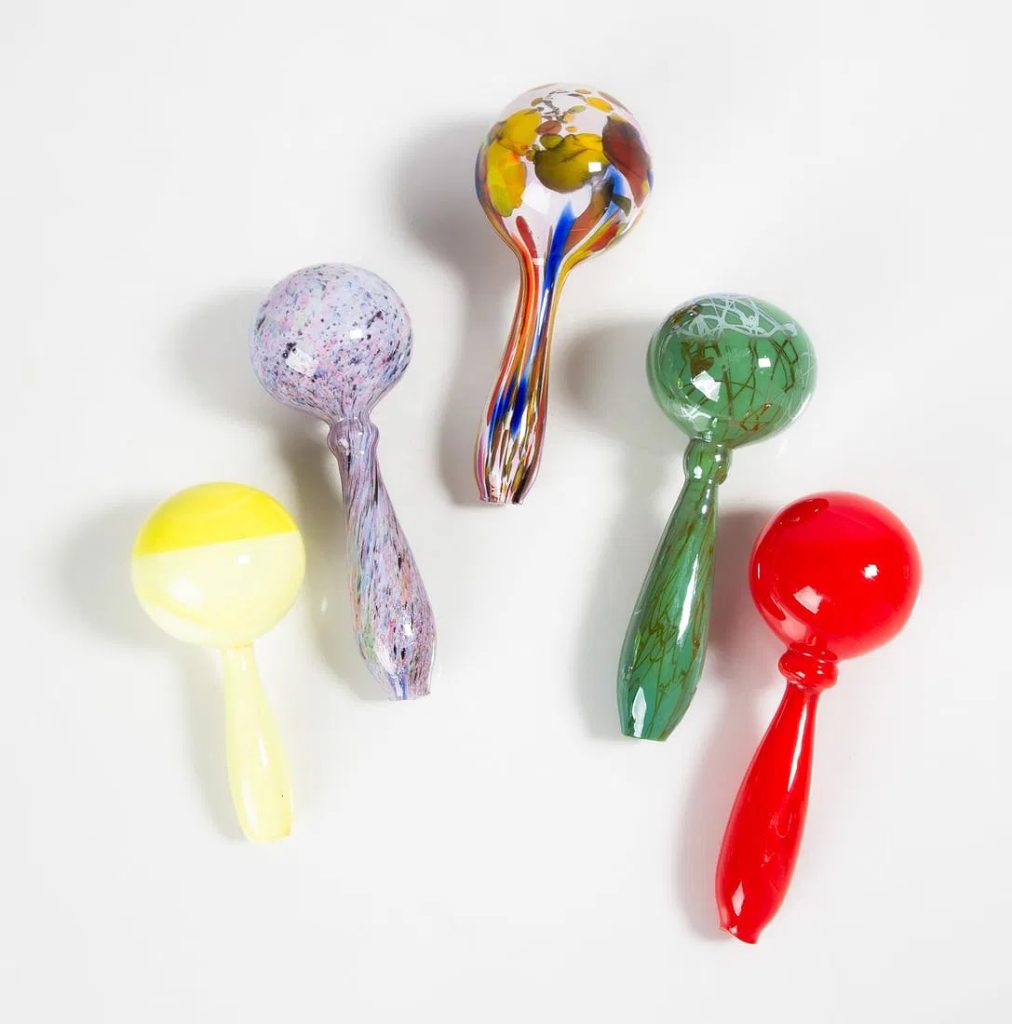
Whimseys remind collectors that artistry does not always reside in grand statements. Sometimes it is found in small gestures, objects shaped by skilled hands during stolen moments of creativity. They endure not because they were commissioned or marketed, but because they were made with pride, affection, and a desire to create something beautiful simply for the joy of it.
And that, perhaps, is the greatest whimsy of all.
Gazelle Gazette Archive




Carder Steuben Glass Association
18-19 September 2026