2025 Symposium Presentations
2025 Symposium Presentations
Rent a presentation today, 7 days for $10.00
The Carder Brothers and the Wordsley School of Art

The Carder brothers—Frederick Carder (1863-1963) and George J. Carder (1868-1953)—are closely linked with the life and progress of the Wordsley School of Art, most notably as the school achieved and maintained its reputation for excellence in courses of instruction pertaining to glass and trained students who had careers in the glass industry. As art master at Wordsley, the elder Carder established a foundation that was carried forward by George J. Carder after his brother immigrated to the United States in 1903 to become associated with the Steuben Glass Works.
James Measell is historian at the Fenton Art Glass Co. in Williamstown, West Virginia. During 1986-2005, he authored numerous books on American glass for The Glass Press in Marietta, Ohio. His PhD thesis on the Stourbridge School of Art 1850-1905 was awarded the Ashley Prize at the University of Birmingham in 2016. His research on various aspects of glass history has appeared in many journals, including Glass Collectors Digest, History West Midlands, and The Blackcountryman magazine. A retired university professor (Wayne State U., Detroit, MI 1970-1997), James Measell is currently an Honorary Research Fellow at the University of Birmingham, and he serves as a trustee of the British Glass Foundation/Stourbridge Glass Museum.
Stretch Glass for your Home and Table in the 1920s and 2020s
Cal will explore the origins of iridescent stretch glass, how it is created, who made it and what its intended uses were when it was introduced in 1916 and the 1920s. We will also look at the re-introduction of stretch glass in 1980 by the Fenton Art Glass Company. With nine American glass companies producing over 50 unique colors and hundreds of shapes, stretch glass has something for everyone and every occasion. It is truly glassware which is as relevant to today as it was to the lifestyles of the 1920’s.
Cal Hackeman was born in rural New Hampshire and grew up in a home with an abundance of glassware and other collectibles. Cal received a gift of glass from his grandmother when he was 12, and for the next 50 years, Cal would acquire additional examples of EAPG and expand his interests to include Depression glass, furniture, Early American Flint glass, Iridescent stretch glass and other collectibles and antiques. His interest in iridescent glass began in the mid-1980s with a modest purchase of stretch and Fenton glass. Stretch glass became one of his leading passions and today his collection is one of the most extensive with over 5,000 examples. He is a past President and current Director of The Stretch Glass Society.

English Cameo Glass

Vic will speak about English Cameo glass, sharing many images from his own extensive collection as well as others. The manufacturing process and techniques used by makers will be discussed.
Vic Weinstein spent his childhood in Long Island’s south shore and worked as a clam digger until he finished medical school. In 1981, the breathtaking beauty of the Low Country led him to Charleston, South Carolina, where he has been a practicing OB/GYN physician until his retirement in 2022. Vic and his wife, Randi have four children and two grandchildren. In his free time, Vic enjoys volunteering and pursuing several hobbies, which include fishing and collecting antique English Cameo glass perfume bottles.
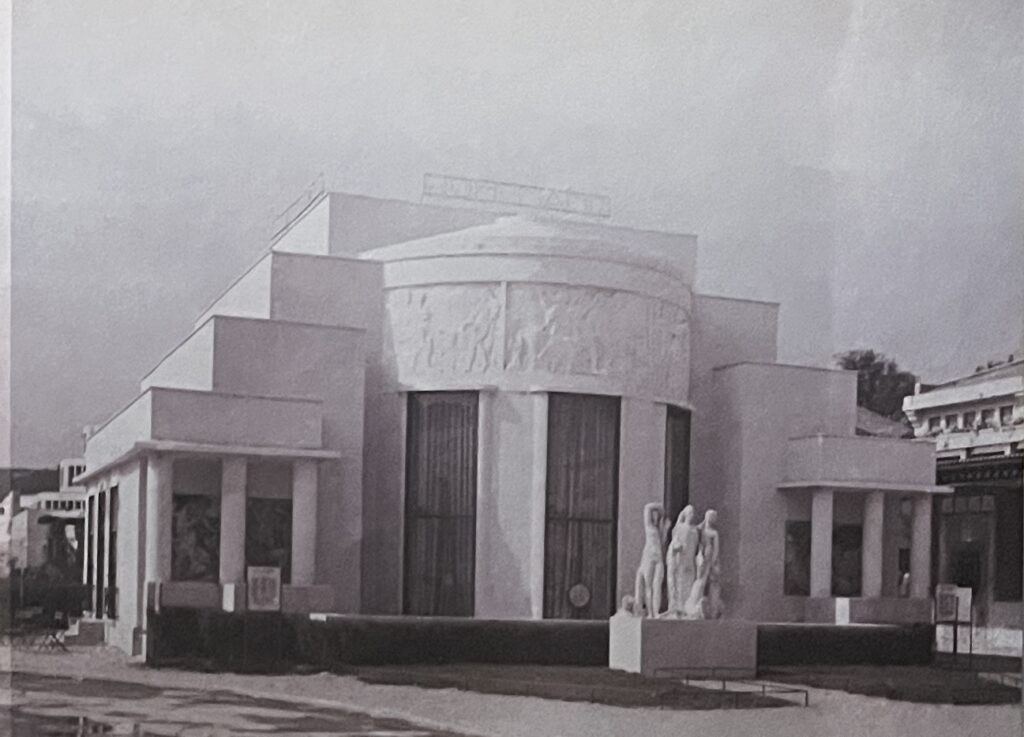
A Tour of the 1925 Paris Art Deco Exposition
One hundred years ago, Paris hosted a world exposition that introduced the term Art Deco to common nomenclature. The Expo attracted fifteen thousand exhibitors and sixteen million visitors to view the products and entertainments offered. This presentation will explore some of the outstanding exhibits and attractions thanks to the photographs and artifacts from the Expo.
After careers in teaching and IT, Sue Maynard has been focusing on collecting and researching 20th century glass and pottery. In the 1980s, Sue and husband Steve met Mr. Rockwell and began to collect Carder Steuben glass. They then became interested in Cowan Pottery made in Cleveland in the 1920s, and in Clarice Cliff pottery produced in the UK in the 1920s and 30s. Her interest in these arts endeavors has led to writing and giving presentations to collector groups.
Members Spotlight – The Dick and Janet Weerts Collection
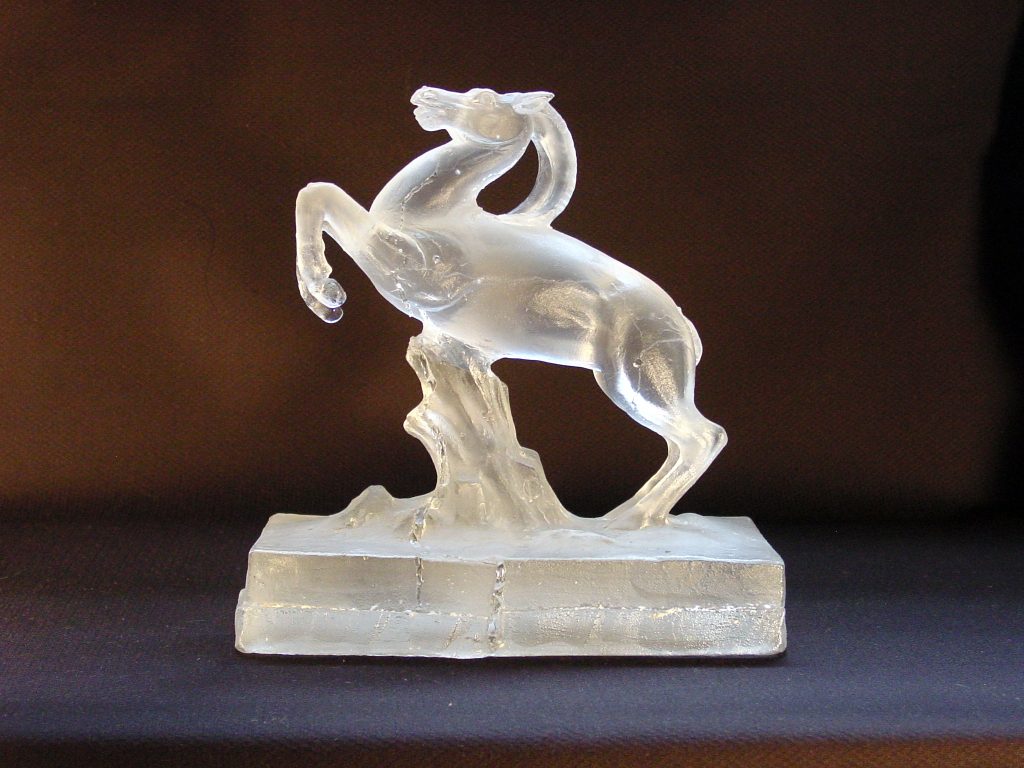
Dick and Janet started collecting Steuben in the late 90s after purchasing a set of Pomona green salad plates in Maine. For a time, growing their collection was “hit and miss” through browsing antique shops as well as eBay. Eventually they made a pilgrimage to Corning to see the Steuben collection at the Rockwell Museum before it was relocated to the Corning Museum of Glass. They were absolutely stunned by the store front window display on Market Street and the Rockwell Glass Store loaded with more Steuben than they could imagine. Meeting Beth Shaut and then through her, Tom Dimitroff turned their interest into an obsession.
The Weerts’ attended their first symposium in 2002. Dick has previously served as an association board officer.




Carder Steuben Glass Association
22-23 September 2027